A World Powered by Light
Every great transformation in history has been driven by a fundamental shift—an awakening to a new reality that changes the course of human progress. The transition from steam to electricity, the rise of digital connectivity, and the evolution of artificial intelligence all mark distinct eras of innovation. Now, we stand at the precipice of another shift—one that will define the future of civilization itself.
The Solar Shift is here. The era of fossil fuels is fading, and photons—tiny packets of sunlight—are emerging as the architects of our energy future. From sprawling solar farms to handheld solar devices, humanity is finally recognizing that power doesn’t have to be extracted, burned, or depleted—it can be harnessed effortlessly from the infinite energy above.
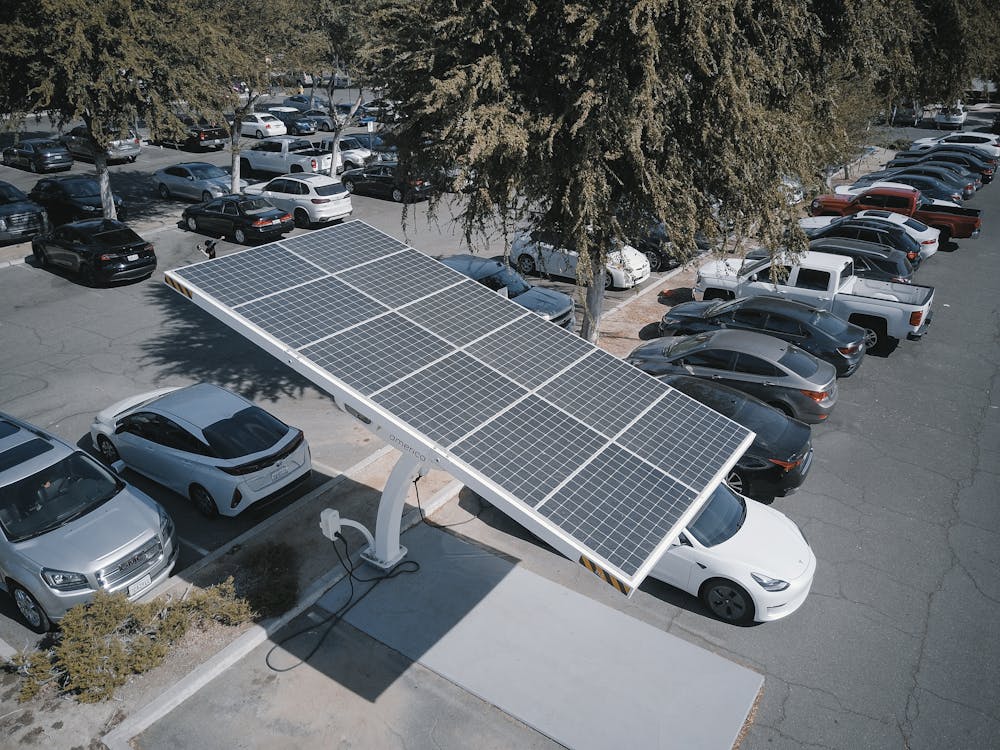
Photons: The Silent Revolutionaries
At the heart of the solar shift lies a simple yet profound truth: energy is all around us, embedded in light itself. Photovoltaic technology, which converts sunlight into electricity, operates on a principle discovered in the 19th century—the photoelectric effect—where light frees electrons in certain materials, generating an electrical current.
Yet, it is only in the last few decades that we have unlocked the true potential of solar energy. Next-generation solar panels, made from materials like perovskites, are dramatically increasing efficiency levels. Transparent solar glass is turning skyscrapers into power stations, while flexible solar films are integrating seamlessly into everyday devices. The boundaries of where solar power can be harnessed are expanding at an unprecedented pace.
The Economic Shift: Profit in Photons
The Solar Shift is not just an environmental movement—it is a revolution in economics and industry. As the cost of solar technology drops, governments and businesses are recognizing its economic advantage over fossil fuels. Solar energy is now one of the cheapest sources of electricity, with major nations making aggressive investments in large-scale solar infrastructure.
Innovations in energy storage, including solid-state batteries and grid-scale thermal storage, are ensuring that solar power remains reliable even when the sun isn’t shining. Meanwhile, decentralized solar microgrids are emerging, enabling neighborhoods and rural communities to generate, store, and distribute their own energy without reliance on traditional grid systems.
Corporations are shifting toward solar, not out of obligation, but because it makes financial sense. Tech companies, automotive manufacturers, and real estate developers are integrating solar energy into their operations, cutting costs while aligning with sustainability goals. Solar entrepreneurship is booming, with startups innovating everything from solar-powered appliances to portable solar solutions that bring electricity to remote regions.
Beyond the Grid: Solar in Unexpected Places
The future of solar energy extends far beyond traditional panels on rooftops. Emerging technologies are embedding solar capabilities into every aspect of modern life:
- Solar Roads & Highways: Roads paved with photovoltaic surfaces that charge electric vehicles as they drive.
- Wearable Solar Technology: Smart clothing and accessories that harness solar energy to power devices.
- Space-Based Solar Power: Satellites designed to collect sunlight in orbit and wirelessly transmit energy back to Earth.
- Agrovoltaics: The integration of solar panels into farmland, allowing crops and energy production to coexist efficiently.
This shift is fundamentally altering how humanity interacts with energy. Instead of relying on centralized power plants, we are entering an era where energy follows us wherever we go, embedded in the very structures and landscapes of our world.
The Future Belongs to Photons
Fossil fuels have defined industrial progress, but they are finite. The sun, however, is eternal, offering boundless energy that is waiting to be harnessed. The Solar Shift is not coming—it is already here, and it is shaping the future in ways previously unimaginable.
The question is no longer whether the world will transition to solar—it is how fast we will embrace it. As nations, businesses, and individuals invest in solar technology, the age of photons will accelerate, unlocking a world where clean, limitless energy becomes the foundation of human progress.
The future belongs to light. The only question that remains is: how brightly will we let it shine?


