Breaking Free from the Old Energy Model
For most of modern history, energy has been something we consume—something we purchase from providers who control its production, distribution, and pricing. It has been centralized, monopolized, and often linked to geopolitical conflicts that disrupt its flow. But what if energy wasn’t something we depended on others for? What if power was something we could generate ourselves, effortlessly, sustainably, and autonomously?
This vision is no longer science fiction. The shift toward solar independence is happening now, fueled by Light Logic—the idea that smart technology, strategic energy planning, and the limitless power of sunlight can free individuals, businesses, and nations from outdated energy dependencies.
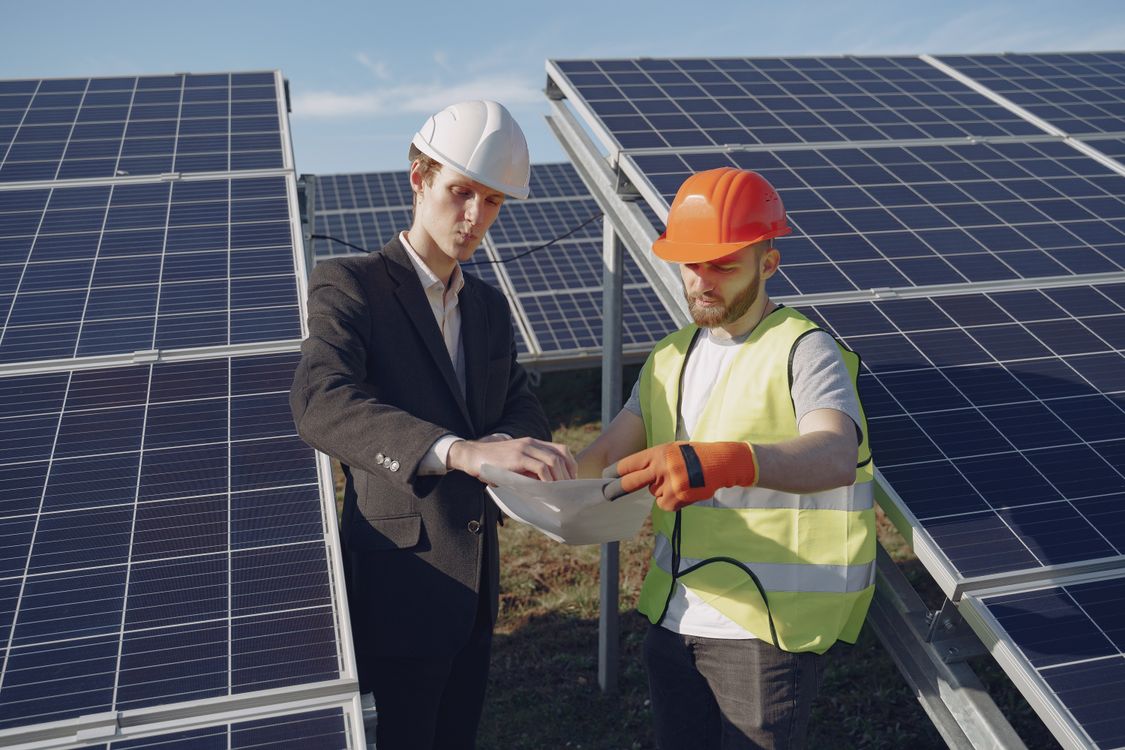
Solar Energy: The Ultimate Self-Sufficiency Tool
At the core of Light Logic is solar energy—an infinite power source that arrives every morning, free and abundant. Unlike fossil fuels, which require extraction, refinement, and complex supply chains, solar energy is accessible anywhere the sun shines.
Technological advancements have made solar independence a reality for households, businesses, and even entire communities. Rooftop solar panels, once considered an expensive niche technology, are now widely affordable, allowing individuals to generate their own electricity. Battery storage systems, such as solid-state and lithium iron phosphate technologies, enable solar users to store excess energy and use it when the sun isn’t shining.
Meanwhile, smart energy management systems integrate solar power seamlessly into daily life. Homes equipped with AI-driven energy optimization platforms automatically adjust electricity consumption based on solar availability, ensuring maximum efficiency and cost savings.
Decentralizing Power: Microgrids and Energy Communities
One of the most revolutionary aspects of the solar shift is the rise of microgrids—localized, self-sufficient energy systems that operate independently from national grids. Unlike traditional centralized power distribution, microgrids enable communities to generate, store, and share solar power, fostering a system where energy is not controlled by corporations but owned by the people.
Countries and cities worldwide are experimenting with community solar projects, allowing groups of residents to invest in shared solar farms and benefit from collective energy generation. Businesses, schools, and local governments are embracing solar cooperatives, ensuring resilient energy independence even in times of disruption.
Decentralized energy also empowers remote areas, where traditional grid access is unreliable or nonexistent. Off-grid solar systems provide electricity to villages, emergency shelters, and disaster relief zones, proving that energy independence is not just about convenience but about survival.
Smart Storage: The Key to Uninterrupted Solar Power
The challenge of solar energy has always been intermittency—solar panels produce electricity only when the sun is shining, raising concerns about reliability during nights or cloudy days. But energy storage innovation is eliminating these concerns.
Advanced battery technologies such as flow batteries, thermal energy storage, and hydrogen fuel cells are enabling users to store solar power for extended periods, ensuring uninterrupted energy access regardless of weather conditions.
Even more exciting is the rise of AI-driven solar storage solutions, where machine learning algorithms predict energy consumption patterns, optimize battery usage, and distribute stored electricity more efficiently.
The result? A system where solar energy is just as stable and reliable as traditional grid power—but without the environmental cost, price volatility, or dependency issues.
Why Energy Independence Matters More Than Ever
The world is facing an energy crisis—volatile fossil fuel markets, rising electricity costs, and environmental damage linked to outdated energy systems. Solar power provides a clear way forward, offering both sustainability and self-sufficiency.
With Light Logic, energy independence is no longer an abstract ideal—it is an achievable reality. Whether at the level of a single household, a business, or an entire city, transitioning to solar autonomy means taking control of energy decisions, reducing reliance on unsustainable sources, and embracing a future where power is truly in our hands.
The sun rises every day, bringing with it the potential for limitless energy. The only question left is: how fully will we harness it?


