Why Solar? The Power of the Sun at Your Fingertips
Picture this—you wake up in the morning, the sun rises, and instead of just enjoying its warmth, you’re harnessing its energy to power your home, charge your gadgets, and reduce your electricity bills. Sounds like a futuristic dream, right? But the truth is, solar power is more accessible than ever, and making the switch doesn’t have to be complicated.
Going solar isn’t just about saving money (though that’s a big perk). It’s about energy independence, sustainability, and investing in a cleaner future. Whether you want to cut back on grid electricity or fully transition to solar power, this guide will walk you through the essentials—no complicated jargon, just practical steps to get started.
Step 1: Understanding Your Solar Options
Before jumping in, it’s important to understand the different ways you can harness solar energy. Here are the most common options:
- Solar Panels for Your Home – The classic choice. Installing photovoltaic (PV) panels on your rooftop allows you to generate electricity and potentially sell excess energy back to the grid.
- Solar Batteries – Want to store solar energy for use at night or during cloudy days? Batteries like lithium-ion systems ensure you have power even when the sun isn’t shining.
- Solar-Powered Gadgets – If you’re not ready for rooftop panels, try small solar chargers for phones, solar-powered lights, or portable solar generators for outdoor adventures.
- Community Solar Projects – Not enough space for solar panels? Some neighborhoods and cities offer shared solar farms where individuals can subscribe and benefit from solar energy without needing their own installation.
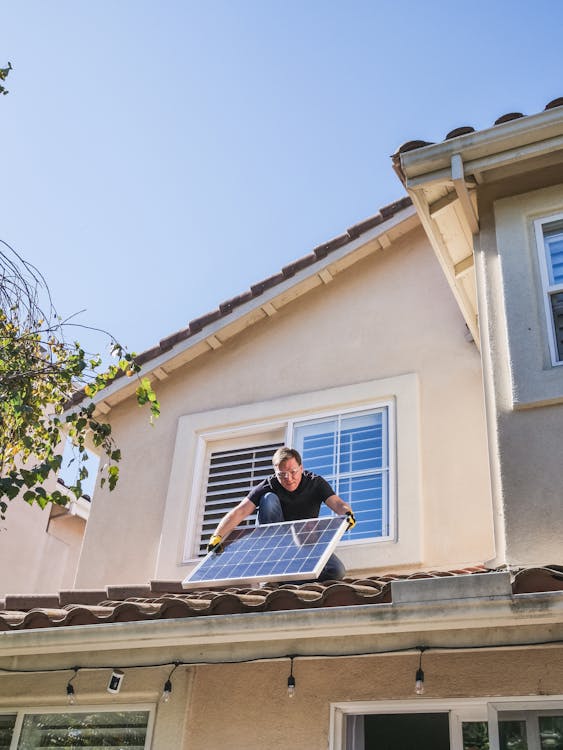
Step 2: Checking Your Home’s Solar Potential
Not every roof is perfect for solar panels, so it’s essential to check whether your home is solar-friendly. Consider these factors:
- Sunlight Exposure – Does your roof get enough direct sunlight throughout the day? If it’s heavily shaded by trees or nearby buildings, solar panels might not be as efficient.
- Roof Condition – Older roofs may need repairs before installing panels. If you plan to replace your roof soon, it might be best to do that first.
- Local Regulations & Incentives – Some cities and states offer tax credits, rebates, or incentives for solar installations. Check local policies to see if you qualify for savings.
If you’re unsure, many solar companies offer free home assessments to determine whether solar energy is a good fit for your location.
Step 3: Choosing the Right Solar System
Once you’ve decided to go solar, the next step is choosing the system that best suits your needs.
- Grid-Tied Systems – Connected to the local electricity grid. If you produce more energy than you use, you can sell the excess back for credits.
- Off-Grid Systems – Standalone setups with batteries that allow total energy independence—perfect for remote areas without reliable electricity access.
- Hybrid Systems – A mix of both, offering battery storage while staying connected to the grid for extra security.
Each system has different costs and benefits, so consulting a solar installer can help you determine the best setup for your budget and energy needs.
Step 4: Installation & Cost Breakdown
One of the biggest concerns when going solar is cost. The good news? Solar panel prices have dropped significantly in the last decade, making them more affordable than ever.
Here’s a basic cost breakdown:
- Solar Panel System – Prices vary based on size, brand, and efficiency, but expect an upfront investment that pays off through savings over time.
- Installation Costs – Professional installers handle wiring, permits, and setup. Some companies offer financing options to ease the cost burden.
- Maintenance & Repairs – Solar panels are low-maintenance, but occasional cleaning and inverter checks ensure they run efficiently.
Most solar investments pay for themselves within a few years through electricity savings and incentives. Plus, having solar panels can increase your home’s resale value!
Step 5: Enjoying the Solar Lifestyle
Once your solar system is installed, it’s time to start reaping the benefits. You’ll likely notice lower electricity bills, a smaller carbon footprint, and the satisfaction of knowing you’re contributing to a greener planet.
To make the most of your solar power:
- Monitor Your Energy Usage – Many systems come with apps that let you track energy production and consumption.
- Reduce Energy Waste – Combining solar power with efficient appliances and smart home features can maximize savings.
- Share the Solar Revolution – Encourage friends, family, and neighbors to consider solar energy! The more people switch, the bigger the environmental impact.
Final Thoughts: Catch the Ray and Go Solar!
Going solar is one of the smartest investments you can make—not just for your wallet, but for the planet. Whether you start small with solar gadgets or take the plunge into full-home solar energy, every step toward sustainability makes a difference.
The sun rises every day, offering its energy freely. The question is: are you ready to catch the ray?


