The Moment I Realized Energy Was Personal
It hit me on a sweaty afternoon when the power cut out—again. I was halfway through a Zoom meeting when my laptop screen blinked off, and the whir of the ceiling fan went silent. Living in a semi-urban part of Indonesia, blackouts weren't new. But this time, I didn't feel helpless. My neighbor's lights were still on, his air conditioning still humming, and his phone was charging off solar power. That was my turning point.
Up to that point, I had always thought of electricity as something that came from somewhere far away—massive power plants, endless transmission lines, and complicated government agencies. But solar energy flipped that script. Here was a regular guy, just like me, powering his home straight from the sky. He wasn't waiting for the grid to catch up. He'd stepped beyond it.
That moment ignited something. I started reading, asking questions, and eventually investing in my own solar setup. What I found wasn't just about tech or savings—it was about control, freedom, and a quiet revolution happening one rooftop at a time.
Solar Power Is No Longer Just an Alternative
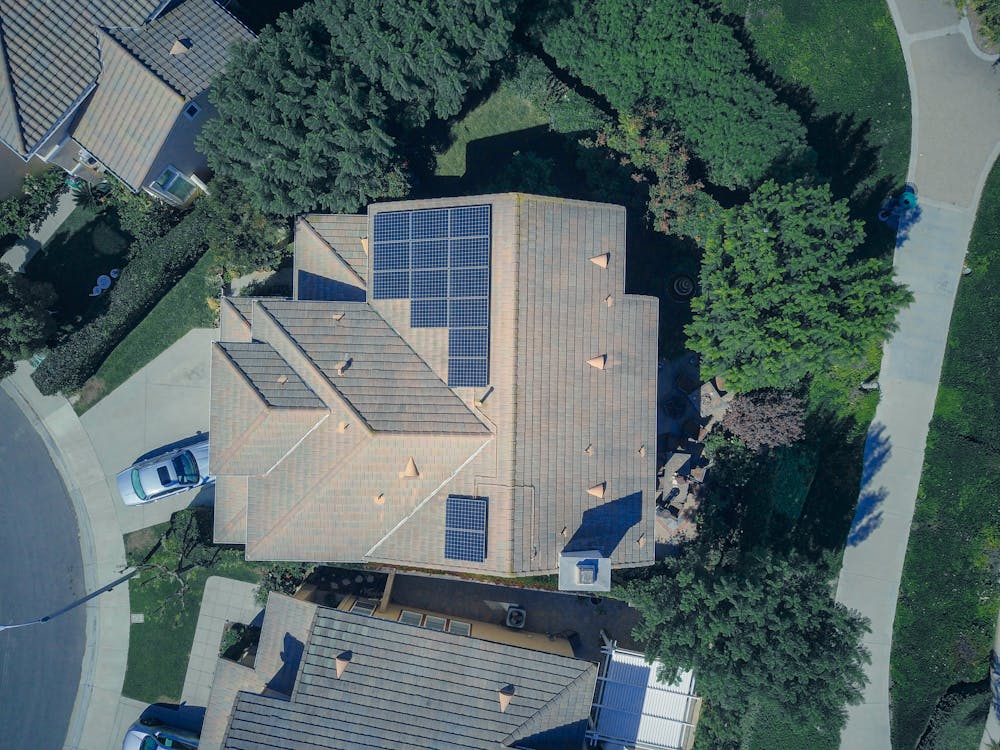
There was a time when solar panels were expensive, bulky, and only for the wealthy or the fanatically eco-conscious. Not anymore. The price of photovoltaic cells has plummeted over the last decade, making solar not just viable but often preferable.
Countries across the globe are waking up to solar's potential. From the sun-drenched deserts of the Middle East to the cloudy skies of Germany, people are harvesting sunlight and storing it for later. And it isn't just about environmental consciousness—it's economic logic. The cost per kilowatt-hour from solar has beaten coal in many regions. The sun, once a metaphor for hope, is now a literal source of it.
Even in places where the grid exists, people are choosing to partially or completely disconnect. They install panels, batteries, and smart meters. They generate, consume, and even sell their excess power. In doing so, they turn their homes into tiny, self-sufficient power plants. It's a shift that’s turning consumers into producers, and it’s changing everything.
Freedom, Control, and a Bit of Rebellion
The rise of solar independence is not just technical; it's deeply emotional. There’s something liberating about not being tethered to a centralized system that’s prone to failure and inefficiency. It’s the same spirit that fuels homesteading, remote work, and cryptocurrency—a desire to take back control.
In rural areas where grid expansion is too costly, solar has become a lifeline. In cities, it’s a hedge against rising energy prices. In disaster-prone regions, it's a safeguard. Every solar setup, no matter how small, chips away at the monopoly of central utilities.
This isn't to say we're abandoning the grid altogether. But we're reshaping our relationship with it. Instead of being wholly dependent, we're becoming selectively connected. We choose when to rely on it, and when to go our own way.
The Technology That Makes It Possible
What’s enabling this solar shift isn't just falling prices—it's smarter tech. Modern inverters allow for seamless transitions between grid power and stored solar energy. Battery systems, like Tesla’s Powerwall or LG’s Chem RESU, let homeowners store power for night-time use or emergencies.
Microinverters allow individual panel optimization, so one shaded panel doesn't drag down the whole system. Smart meters and apps let you monitor usage, production, and even sell excess energy back to the grid in real-time. Solar isn’t just about panels anymore—it’s an ecosystem.
Off-grid kits have become so refined that remote cabins, camper vans, and even boats can run entirely on solar. There’s an entire subculture online—YouTubers, DIYers, and preppers—sharing their solar hacks, setups, and survival stories.
And governments are catching on. Incentives, rebates, and net metering policies are becoming more common. This combination of grassroots innovation and top-down support is accelerating the transition.
Real Lives, Real Stories
Take the story of a small school in rural Kenya, where electricity was always unreliable. After installing a modest solar array and battery backup, the school now runs computers, lights, and even a refrigerator for medical supplies. Attendance has improved, and so has morale. The change didn’t come from a government program—it came from the sun.
Or consider a retiree couple in Arizona who downsized to a tiny home equipped with a solar setup. They live comfortably off-grid, spending less than $30 a month on energy-related costs. Their system powers their home, charges their electric car, and even waters their garden.
Then there’s the suburban family in Melbourne who installed solar during the pandemic. With both parents working from home and kids learning remotely, their energy usage spiked. But thanks to solar, their bills stayed low, and their carbon footprint shrank.
These are not outliers. These are the new pioneers. They aren’t waiting for systemic change—they’re creating it.
Challenges and Pushback
Of course, it’s not all sunshine. There are challenges. Upfront costs, while lower, are still significant. Not every home is solar-suitable due to shade or roof orientation. And the policy landscape can be a maze—what's rewarded in one country might be penalized in another.
Utility companies aren’t always thrilled either. More solar means less dependence on their services, and in some places, that’s led to fights over grid fees, solar taxes, and buyback rates. In extreme cases, legislation has been proposed to limit or even ban residential solar connections.
Storage remains a bottleneck. Battery systems are still pricey and have limited lifespans. Disposal and recycling of solar tech is another looming concern, especially as older systems reach the end of their life cycles.
But every revolution faces resistance. And the trajectory is clear: solar is rising. The benefits are too compelling, the momentum too strong.
The Bigger Picture: A Decentralized Future
What we’re witnessing isn’t just a change in how we power our homes—it’s a change in mindset. Centralized systems, while efficient at scale, are vulnerable to disruption. Decentralized systems are resilient, adaptable, and democratic.
In a world increasingly defined by climate change, geopolitical instability, and economic uncertainty, energy independence is more than a convenience—it’s a necessity. Solar offers that independence. It’s a way to future-proof our homes and communities.
As more people step beyond the grid, they’re not just reducing emissions or saving money—they’re reclaiming agency. They’re saying, "We’ve got this." They’re turning sunlight into sovereignty.
So next time the lights flicker or the bill spikes, remember: the sun is still shining. And maybe, just maybe, it’s time to look up and tap into it.


